
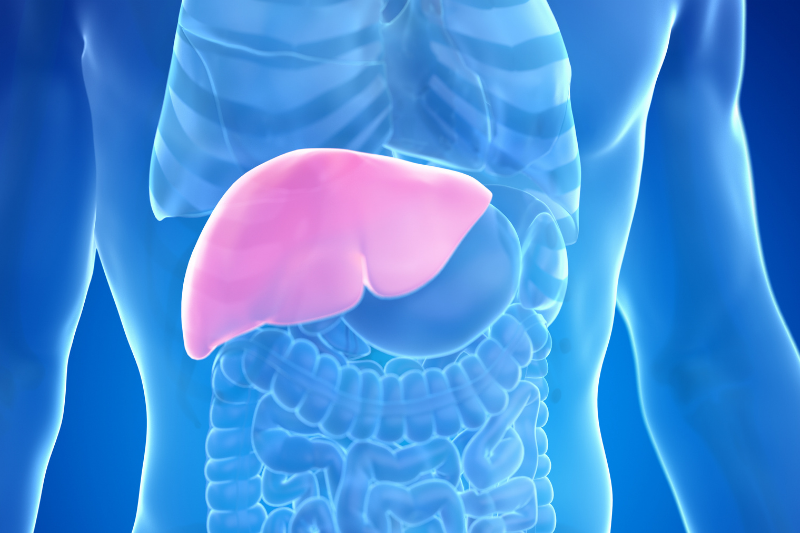
Fatty liver develops when the liver accumulates more fat than it can process and export. Several interconnected factors drive this:
Excess body fat — especially fat stored around the abdomen — is one of the most significant drivers of fatty liver disease. When fat tissue becomes overfilled, it releases large amounts of fatty acids directly into the bloodstream. The liver is the first organ these fatty acids reach, and when the volume is too high for the liver to handle, fat accumulates inside liver cells. The more excess body weight a person carries, the greater the burden on the liver.
Research consistently shows that the vast majority of people with obesity have some degree of fatty liver disease, and the amount of fat in the liver is closely tied to the amount of visceral (abdominal) fat a person carries. Even modest weight loss — as little as 5 to 10 percent of body weight — can significantly reduce liver fat and, in many cases, reverse early-stage fatty liver disease completely.
Too much sugar — particularly fructose from sodas, sweetened beverages, and processed foods — is a direct cause of liver fat accumulation. The liver is the primary organ that processes fructose, and when fructose arrives in excess, the liver converts it into fat. This process, called de novo lipogenesis (meaning 'new fat making'), can be triggered by a single high-sugar meal and becomes chronic with repeated exposure.
Refined carbohydrates like white bread, white rice, pasta, and pastries behave similarly because they rapidly raise blood sugar and trigger large releases of insulin, which in turn signals the liver to produce and store more fat.
Insulin resistance is a condition where the body's cells stop responding normally to insulin. To compensate, the pancreas produces more and more insulin. High insulin levels chronically activate fat-production pathways in the liver. This creates a cycle: excess body fat promotes insulin resistance, and insulin resistance promotes more liver fat accumulation.
The gut and liver share a direct connection through the portal vein — blood from the intestines flows straight to the liver before reaching the rest of the body. An imbalanced gut microbiome (the community of bacteria living in the intestines) allows harmful bacteria and their toxic byproducts to enter this bloodstream, reach the liver, and trigger inflammation. This gut-liver connection is a major contributor to fatty liver progression.
Additional causes and risk factors for fatty liver include type 2 diabetes, high triglycerides, polycystic ovarian syndrome (PCOS), hypothyroidism, certain medications (including steroids, tamoxifen, and amiodarone), alcohol use, and genetic predisposition. Even people who are not overweight can develop fatty liver if other metabolic risk factors are present.
No supplement can compensate for a poor diet. What you eat is the single most powerful tool for reducing liver fat, and the results can come faster than most people expect — research shows meaningful reductions in liver fat within as little as two weeks of dietary change.
The single most important dietary change for fatty liver is dramatically reducing sugar and refined carbohydrates. This means cutting out sodas, fruit juices, sports drinks, candy, pastries, white bread, white rice, and pasta. Fructose — the sugar in sodas and high-fructose corn syrup — is especially damaging to the liver and should be eliminated as completely as possible.
A low-carbohydrate diet reduces carb intake to roughly 50–130 grams per day. Multiple clinical trials have demonstrated that this approach meaningfully reduces liver fat, normalizes liver enzymes, and improves blood sugar and insulin sensitivity. A 2025 randomized controlled trial published in Nature Communications compared a low-carb diet against a standard diet in patients with prediabetes or type 2 diabetes, and found that the low-carb diet produced significantly greater reductions in liver fat measured by MRI. A separate 2025 study found that just two weeks of eating under 30 grams of carbs per day produced significant drops in liver fat detectable by imaging.
Even a moderate reduction in carbs — replacing bread, pasta, and sweets with vegetables, eggs, fish, and olive oil — produces real, measurable improvements in liver health.
The ketogenic (keto) diet limits carbohydrates to under 50 grams per day, pushing the body into a fat-burning state called ketosis. Because the liver is central to processing fat for energy in this state, a well-formulated ketogenic diet can produce dramatic reductions in liver fat relatively quickly.
A 2025 systematic review concluded that ketogenic diets significantly reduce liver fat and improve insulin sensitivity and liver enzyme levels in people with fatty liver. A separate one-year study in people with both type 2 diabetes and fatty liver found that those following a ketogenic diet experienced significant reductions in liver fat scores, while those on a standard low-fat diet showed no meaningful improvement.
The very-low-calorie ketogenic diet (VLCKD) — a medically supervised version that combines carbohydrate restriction with calorie restriction — has shown particularly strong short-term results. A 2024 study found that patients with more severe fatty liver experienced the greatest liver fat reductions after eight weeks on a VLCKD. Another 2024 study noted that both men and women with fatty liver showed significant improvements in liver fat measurements after eight weeks on this protocol.
Important note: Ketogenic diets are very effective but are not appropriate for everyone. If you have diabetes, kidney disease, or are on medications, consult your doctor before starting. When following a keto diet, choose healthy fats — olive oil, avocados, nuts, and fatty fish — over excessive amounts of saturated fat from processed meats and butter.
For those who do not want to follow a strict low-carb or ketogenic approach, the Mediterranean diet is the most research-backed alternative. It emphasizes vegetables, olive oil, fatty fish, legumes, nuts, and whole grains while limiting red meat, processed foods, and sugar. Both the American Association for the Study of Liver Diseases and the European Association for the Study of the Liver specifically recommend the Mediterranean diet for fatty liver disease. Research shows it reduces liver inflammation, cardiovascular risk, and blood sugar — all of which are interconnected with fatty liver.
The following supplements have been studied in human clinical trials for fatty liver disease. The research behind each of them is described in plain terms — without statistical details — so you can understand what the science actually found and why these supplements may be helpful. These work best alongside dietary changes and a healthy lifestyle, not as a substitute for them.
Milk thistle is arguably the most extensively researched botanical for liver health. Its active compound, silymarin, protects liver cells from damage, reduces inflammation, supports liver cell repair, and may help slow the development of scar tissue in the liver.
A 2024 systematic review and meta-analysis — pooling the results of multiple randomized controlled trials — found that silymarin consistently reduced elevated liver enzymes (markers of liver cell damage) in people with fatty liver disease. The same analysis found improvements in liver fat scores, cholesterol levels, and insulin resistance. Notably, a 2024 comparison of three major liver-supporting polyphenols found that silymarin produced the strongest and most consistent reduction in liver enzymes of the three, making it one of the most reliable options for normalizing blood markers of liver stress. Silymarin also has an excellent safety record with very few side effects at standard doses.
Suggested dose: 420–600 mg per day in divided doses. Absorption is significantly improved when taken alongside phosphatidylcholine — some formulations combine both.
Berberine is a compound extracted from several plants including barberry, Oregon grape, and goldenseal. It has earned considerable attention in recent years for its effects on blood sugar and metabolic health — and its benefits extend clearly to the liver.
Berberine activates an enzyme called AMPK, which acts like a metabolic master switch — telling the liver to stop making excess fat and start burning it instead. It also improves the balance of gut bacteria, reduces insulin resistance, and lowers cholesterol, addressing several root causes of fatty liver simultaneously.
A 2024 meta-analysis reviewing 10 clinical trials involving over 800 patients with fatty liver found that berberine consistently reduced liver enzymes, blood sugar, insulin resistance, cholesterol levels, and body weight. Multiple studies also found reductions in liver fat visible on imaging. A 2024 systematic review specifically focusing on earlier-stage fatty liver disease confirmed berberine's effectiveness in this population as well.
Suggested dose: 500 mg two to three times daily with meals (1,000–1,500 mg total per day). Look for phytosome preparations such as our Berberine Wellness.
Omega-3 fats — specifically EPA and DHA from fish oil — are anti-inflammatory fats that most people eating a Western diet do not get enough of. The imbalance between omega-6 fats (abundant in processed foods and vegetable oils) and omega-3 fats is a recognized contributor to liver fat accumulation and inflammation.
Omega-3 supplementation directly targets the liver's fat-making machinery, helps the liver burn fat more efficiently, and reduces inflammatory signals that drive liver damage. A systematic review and meta-analysis found that omega-3 supplementation significantly reduced liver fat content, lowered triglycerides, improved liver enzyme levels, and had favorable effects on BMI in people with fatty liver. A separate systematic review of controlled intervention studies confirmed meaningful improvements in liver fat, steatosis severity, and liver enzymes across multiple trials.
Suggested dose: 2–4 grams of combined EPA and DHA per day from a high-quality fish oil supplement..
Curcumin is the yellow compound in turmeric that gives curry its characteristic color. It is a potent anti-inflammatory agent that reduces liver fat through several pathways: it dials down inflammatory signals inside liver cells, activates the fat-burning enzyme AMPK, acts as an antioxidant protecting liver cells from damage, and may help slow the development of liver scarring.
The key challenge with curcumin is bioavailability — standard curcumin is very poorly absorbed, and most of what you swallow never makes it into the bloodstream. Look for products with high absorption such as our Turmeric Wellness which contains the Meriva form.
A randomized controlled trial using phytosomal curcumin (Meriva) in patients with fatty liver found significant reductions in liver enzymes, cholesterol levels, triglycerides, BMI, and waist circumference compared to placebo. A separate 12-week trial found that phytosomal curcumin significantly reduced both liver fat and liver fibrosis (scarring) as measured by FibroScan — a meaningful finding because fibrosis is the feature that determines long-term liver prognosis. A 2024 meta-analysis comparing curcumin, resveratrol, and silymarin found that curcumin produced the strongest improvement in liver fat visible on ultrasound among the three compounds studied. A 12-month trial found that 1,500 mg per day of curcumin sustained improvements in liver fat, inflammation markers, and blood sugar over the full year.
Suggested dose: 500–1,500 mg per day of a high absorbable curcumin.
Green tea contains a powerful antioxidant called EGCG (epigallocatechin gallate). EGCG helps the liver in multiple ways: it neutralizes the harmful molecules (free radicals) that damage liver cells, reduces fat production in the liver by targeting the same AMPK and SIRT1 pathways as berberine and curcumin, improves insulin sensitivity, and supports a healthier gut microbiome — reducing the flow of inflammatory toxins from the gut to the liver.
A 2018 systematic review and meta-analysis of clinical trials specifically in fatty liver patients found that green tea consumption significantly reduced liver enzyme levels (ALT and AST) and had favorable effects on BMI, cholesterol, and insulin resistance. A 2020 systematic review and meta-analysis of randomized clinical trials confirmed significant reductions in liver enzymes in the fatty liver subgroup. A 2022 systematic review of 22 human studies on EGCG and fatty liver found that the majority of trials showed improvements in liver enzymes, liver fat, and metabolic markers. EGCG also supports the gut-liver axis — research has shown it helps repair intestinal barrier function, which reduces the burden of bacterial toxins reaching the liver.
Suggested dose: 200–400 mg of EGCG from standardized green tea extract per day, or 3–5 cups of brewed green tea daily. Decaffeinated versions provide the same benefits. Take with food to prevent stomach upset. Avoid very high doses without medical supervision.
Vitamin D deficiency is extremely common in people with fatty liver disease, and studies consistently show that the lower the vitamin D level, the more severe the liver disease tends to be. This is not coincidental — vitamin D plays a direct and important role in liver health that goes well beyond its well-known effects on bones.
Vitamin D works inside liver cells by binding to a protein called the vitamin D receptor (VDR). This receptor is found in the cells that produce liver scar tissue (hepatic stellate cells), and when vitamin D activates it, it tells those cells to stop their scarring activity. Research using knockout mice — animals engineered without the VDR — found they spontaneously develop liver fibrosis, demonstrating how essential this pathway is. A 2024 review published in the International Journal of Molecular Sciences outlined how vitamin D also suppresses fat accumulation in liver cells, improves insulin sensitivity, reduces inflammatory signals, improves the composition of gut bacteria, and reduces liver cell injury.
Clinical trial results for liver enzyme normalization have been mixed, but studies using liver biopsy — the gold standard for evaluating actual liver tissue — have found that vitamin D supplementation improves the overall health score of liver tissue. A 2025 network meta-analysis of 26 clinical trials in pediatric fatty liver disease found that vitamin D ranked as the most effective intervention overall, improving liver tissue health scores and lipid profiles. Major liver disease organizations including the European Association for the Study of the Liver and the American Association for the Study of Liver Diseases both recommend correcting vitamin D deficiency in patients with chronic liver disease.
Suggested dose: 2,000–5,000 IU of vitamin D3 per day. Testing your blood level before supplementing is ideal — a 25-OH vitamin D level is the standard test. Target a blood level of 40–60 ng/mL. Best absorbed with a fat-containing meal. Many practitioners combine vitamin D3 with vitamin K2 (100–200 mcg of the MK-7 form) to optimize calcium metabolism.
Vitamin E is a fat-soluble antioxidant that protects liver cells from the oxidative damage that drives the progression from simple fatty liver to active liver inflammation and scarring. It is one of the few supplements with evidence from liver biopsy trials — meaning researchers examined actual liver tissue under a microscope rather than relying only on blood markers.
A systematic review and meta-analysis of 12 randomized controlled trials in fatty liver patients found that vitamin E significantly reduced elevated liver enzyme levels. Importantly, a systematic review examining histological outcomes — the appearance of liver tissue itself — found that vitamin E reduced visible liver fat accumulation and reduced the degree of inflammatory activity in liver tissue. Vitamin E is most useful for people whose fatty liver has progressed to active inflammation.
Suggested dose: 400 IU per day of natural vitamin E (listed as d-alpha-tocopherol on labels).
NAC is a supplement that your body converts into glutathione — often called the master antioxidant — which the liver uses to neutralize toxins and protect cells from oxidative damage. People with fatty liver disease, especially those with more advanced disease, tend to have depleted glutathione levels, making NAC particularly relevant.
A 2025 double-blind, placebo-controlled trial in patients with fatty liver disease found that NAC supplementation produced significant improvements in oxidative stress markers and inflammatory signals, along with better blood sugar control. A 2023 meta-analysis of preclinical research found that NAC significantly improved liver fat accumulation, inflammation, glucose tolerance, and liver injury by restoring glutathione levels. Human clinical trial results have been somewhat mixed on liver enzyme normalization, with some studies showing improvement and others showing modest effects — suggesting NAC's greatest benefit may be in the deeper protective role of antioxidant support rather than simply normalizing blood markers. A separate 2023 systematic review confirmed improvements in other markers of liver function including serum albumin.
Suggested dose: 600 mg two to three times per day (1,200–1,800 mg total). Well tolerated and safe at standard doses.
CoQ10 is a compound the body produces naturally that is essential for energy production inside the mitochondria — the tiny structures inside cells that burn fat for fuel. When mitochondria in liver cells do not function properly, fat accumulates rather than being burned. CoQ10 helps restore mitochondrial function and acts as a powerful antioxidant.
Clinical trials have found that CoQ10 supplementation reduces liver enzyme levels, decreases key inflammatory markers, and improves the degree of liver fat visible on ultrasound in people with fatty liver. A systematic review confirmed these findings across multiple studies. CoQ10 is especially relevant for people taking statin medications for high cholesterol, since statins significantly deplete CoQ10 levels — and this depletion may worsen the mitochondrial dysfunction that contributes to fatty liver.
Suggested dose: 100–300 mg per day with food.
Zinc is a trace mineral involved in hundreds of biological processes, including immune function, blood sugar regulation, antioxidant defense through the enzyme superoxide dismutase, and gut barrier integrity. Zinc deficiency is surprisingly common in people with chronic liver disease, and the more advanced the disease, the lower zinc levels tend to be.
A 2023 randomized, double-blind, placebo-controlled trial in patients with fatty liver found that 30 mg of elemental zinc per day for 8 weeks significantly reduced liver enzymes as well as total cholesterol and LDL cholesterol compared to placebo. A 2024 multicenter randomized controlled trial also found that zinc supplementation was associated with improvements in liver function markers in patients with advanced chronic liver disease. Zinc also supports the gut barrier, helping to prevent harmful bacterial toxins from reaching and inflaming the liver — an important secondary benefit for fatty liver patients.
Suggested dose: 25–50 mg of elemental zinc per day as zinc glycinate or zinc gluconate (forms that are gentler on the stomach). If supplementing long-term, also take 1–2 mg of copper per day to prevent copper depletion, since zinc and copper compete for absorption.
The gut and liver are intimately connected — blood from the intestines flows directly to the liver through the portal vein, carrying whatever has passed through the gut wall. An imbalanced gut microbiome allows harmful bacteria and their inflammatory byproducts to enter this bloodstream and reach the liver, triggering inflammation and fat accumulation. Probiotics help restore a healthy microbial balance, repair the gut lining, and reduce this flow of inflammatory signals to the liver.
Multiple meta-analyses of clinical trials in fatty liver patients have consistently found that probiotic and synbiotic (probiotic plus prebiotic fiber) supplementation reduces liver enzyme levels, improves cholesterol profiles, lowers fasting blood sugar, reduces insulin resistance, and decreases waist circumference. Most successful studies used strains of Lactobacillus and Bifidobacterium for 12 to 24 weeks. An umbrella meta-analysis — a review of multiple meta-analyses — confirmed beneficial effects on the lipid profile in fatty liver patients.
Suggested dose: A multi-strain probiotic with at least 10 billion CFU per day from Lactobacillus and Bifidobacterium species, taken for at least 12 weeks.
Phosphatidylcholine (PC) is a phospholipid — a type of fat molecule — that is a critical structural component of liver cell membranes and is required for the liver to package and export fat via VLDL (very-low-density lipoprotein) particles. When PC is insufficient, the liver cannot export fat efficiently, and triglycerides pile up inside liver cells. PC is found naturally in egg yolks and soy lecithin.
The MANPOWER study — a large prospective study involving 957 patients with fatty liver and cardiometabolic risk factors — found that phosphatidylcholine supplementation at 1,800 mg per day for 24 weeks significantly reduced liver fat as graded by ultrasound, lowered liver enzymes, and improved cholesterol levels. The benefits were greatest in patients who combined PC supplementation with lifestyle changes. PC also enhances the absorption of milk thistle (silymarin), making the two supplements a natural pairing.
Suggested dose: 900–1,800 mg per day from sunflower or soy lecithin (look for high-phosphatidylcholine standardized forms, sometimes labeled as polyenylphosphatidylcholine or PPC). Taking it with silymarin enhances the effectiveness of both.
Resveratrol is a polyphenol compound found naturally in red wine, red grapes, and Japanese knotweed root. It activates SIRT1 and AMPK — two cellular signaling pathways involved in fat burning, cellular repair, and inflammation control — making it mechanistically well suited for fatty liver disease.
A 2024 systematic review and meta-analysis of 27 clinical trials found that resveratrol supplementation significantly improved hepatic steatosis (liver fat accumulation) compared to placebo in fatty liver patients, and also reduced fasting blood sugar and blood pressure. Results for liver enzyme normalization have been more variable across studies, which researchers largely attribute to resveratrol's poor oral bioavailability in standard formulations. Enhanced bioavailability formulations — micronized, liposomal, or combined with piperine — consistently produce better clinical results.
Suggested dose: 500–1,000 mg per day of a bioavailability-enhanced resveratrol formulation. Standard resveratrol has poor absorption — look specifically for enhanced or micronized versions.
Supplement
What It Does
Suggested Dose
Milk Thistle (Silymarin)
Protects liver cells; reduces liver enzymes and fat; antifibrotic
420–600 mg/day divided
Berberine
Reduces liver fat, enzymes, blood sugar, and cholesterol; AMPK activator
500 mg 2–3x/day with meals
Omega-3 Fish Oil
Reduces liver fat and inflammation; lowers triglycerides
2–4 g EPA+DHA per day
Curcumin (Phytosomal)
Reduces liver fat and scarring; anti-inflammatory; antioxidant
500–1,500 mg/day with food
Green Tea (EGCG)
Antioxidant; reduces liver enzymes and fat; supports gut-liver health
200–400 mg EGCG per day
Prevents liver scarring; reduces inflammation; improves liver tissue scores
2,000–5,000 IU/day D3 (test first)
Vitamin E
Antioxidant; reduces liver inflammation and enzymes in biopsy studies
400 IU/day natural form
NAC
Raises glutathione; reduces oxidative stress and inflammation
600 mg 2–3x/day
CoQ10 (Ubiquinol)
Restores mitochondrial fat-burning; antioxidant; reduces liver enzymes
100–300 mg/day ubiquinol
Zinc
Reduces liver enzymes and cholesterol; supports gut barrier
25–50 mg/day
Probiotics / Synbiotics
Improves gut-liver health; reduces liver enzymes and inflammation
10 billion+ CFU/day, 12+ weeks
Phosphatidylcholine
Helps export fat from liver cells; supports liver cell membranes
900–1,800 mg/day
Resveratrol
Reduces liver fat; improves blood sugar; anti-inflammatory
500–1,000 mg/day enhanced form
Dietary change and supplements work best when supported by a broader healthy lifestyle:
Abunofal, O., & Mohan, C. (2022). Salubrious effects of green tea catechins on fatty liver disease: A systematic review. Medicines, 9(3), 20. https://doi.org/10.3390/medicines9030020
Aggeletopoulou, I., Tsounis, E. P., & Triantos, C. (2024). Vitamin D and metabolic dysfunction-associated steatotic liver disease (MASLD): Novel mechanistic insights. International Journal of Molecular Sciences, 25(9), 4901. https://doi.org/10.3390/ijms25094901
Chiu, S., Sievenpiper, J. L., de Souza, R. J., Cozma, A. I., Mirrahimi, A., Carleton, A. J., Ha, V., Di Buono, M., Jenkins, A. L., Leiter, L. A., Wolever, T. M. S., Don-Wauchope, A. C., Beyene, J., Kendall, C. W. C., & Jenkins, D. J. A. (2018). Critical appraisal for low-carbohydrate diet in nonalcoholic fatty liver disease: Review and meta-analyses. Clinical Nutrition ESPEN, 28, 97–106. https://doi.org/10.1016/j.clnesp.2018.09.003
Cicero, A. F. G., Colletti, A., & Bellentani, S. (2018). Nutraceutical approach to non-alcoholic fatty liver disease (NAFLD): The available clinical evidence. Nutrients, 10(9), 1153. https://doi.org/10.3390/nu10091153
De Nucci, S., Bonfiglio, C., Donvito, R., Di Chito, M., Cerabino, N., Rinaldi, R., Sila, A., Shahini, E., Giannuzzi, V., Pesole, P. L., Coletta, S., Lanzilotta, E., Piazzolla, G., Cozzolongo, R., Giannelli, G., & De Pergola, G. (2024). Higher-level steatosis is associated with a greater decrease in MASLD after eight weeks of a very low-calorie ketogenic diet (VLCKD) in subjects affected by overweight and obesity. Nutrients. PMC10975408.
Duell, P. B., Welty, F. K., Miller, M., Chait, A., Hammond, G., Ahmad, Z., Cohen, D. E., Horton, J. D., Pressman, G. S., & Toth, P. P. (2022). Nonalcoholic fatty liver disease and cardiovascular risk: A scientific statement from the American Heart Association. Arteriosclerosis, Thrombosis, and Vascular Biology, 42(6), e168–e185. https://doi.org/10.1161/ATV.0000000000000153
Emamat, H., Ghalandari, H., & Tangestani, H. (2023). The effect of curcumin on anthropometric indices, blood pressure, lipid profiles, fasting blood glucose, liver enzymes, fibrosis, and steatosis in non-alcoholic fatty livers. BMC Nutrition. PMC10233031.
Fridén, M., Rosqvist, F., Kullberg, J., Berglund, L., Vessby, J., Martinell, M., Carlsson, P.-O., Hulthe, J., Johansson, L., Ahmad, N., Johansson, H.-E., Rorsman, F., Sundström, J., Lind, L., Landberg, R., Orho-Melander, M., Ahlström, H., & Risérus, U. (2025). Effects of an anti-lipogenic low-carbohydrate high polyunsaturated fat diet or a healthy Nordic diet versus usual care on liver fat and cardiometabolic disorders in type 2 diabetes or prediabetes: A randomized controlled trial (NAFLDiet). Nature Communications. https://doi.org/10.1038/s41467-025-65613-2
Guarnotta, V., et al. (2025). Ketogenic diet in steatotic liver disease: A metabolic approach to hepatic health. Nutrients, 17(7), 1269. https://doi.org/10.3390/nu17071269
Guo, X. F., Shao, Z. L., Li, Z. H., Mao, G. P., & Li, D. (2020). Effects of resveratrol supplementation in patients with non-alcoholic fatty liver disease: A meta-analysis. Nutrients, 12(9), 2738. PMC7469003.
Haley, A. P., Knight-Scott, J., Caillaud, M., Gallagher, I., Park, J., Li, Y., Wang, T., Tanaka, H., & Browning, J. D. (2025). Low carbohydrate and low-calorie diets reduce liver fat and lower brain glutamate and myo-inositol levels in patients with MASLD. Metabolic Brain Disease, 40(5), 199. https://doi.org/10.1007/s11011-025-01624-8
Hosseini, S. A., et al. (2025). Efficacy of N-acetylcysteine on liver function and metabolic profiles in patients with MASLD: A double-blind, randomized controlled trial. Hepatology Research. https://doi.org/10.1111/hepr.14154
Huang, Q., An, Z., Xin, X., Gou, X., Tian, X., Hu, Y., Mei, Z., & Feng, Q. (2024). The effectiveness of curcumin, resveratrol, and silymarin on MASLD: A systematic review and meta-analysis. Food Science & Nutrition. PMC11666838. https://doi.org/10.1002/fsn3.4595
Ionita-Radu, F., Patoni, C., Nancoff, A. S., Bucurica, S., Ionescu, E. V., Jinga, M., & Raspe, M. (2024). Berberine effects in pre-fibrotic stages of non-alcoholic fatty liver disease. International Journal of Molecular Sciences, 25(8). https://doi.org/10.3390/ijms25084201
Keam, S. J. (2024). Resmetirom: First approval. Drugs, 84(6), 729–735. https://doi.org/10.1007/s40265-024-02045-0
Lee, C. H., Fu, Y., Yang, S. J., & Chi, C. C. (2020). Effects of omega-3 polyunsaturated fatty acid supplementation on non-alcoholic fatty liver: A systematic review and meta-analysis. Nutrients, 12(9). https://doi.org/10.3390/nu12092769
Li, S., Duan, F., Li, S., & Lu, B. (2024). Administration of silymarin in NAFLD/NASH: A systematic review and meta-analysis. Annals of Hepatology, 29(2), 101174. https://doi.org/10.1016/j.aohep.2023.101174
Maev, I. V., Samsonov, A. A., Palgova, L. K., Pavlov, C. S., Shirokova, E., Vovk, E. I., & Starostin, K. (2020). Effectiveness of phosphatidylcholine in alleviating steatosis in patients with non-alcoholic fatty liver disease and cardiometabolic comorbidities (MANPOWER study). BMJ Open Gastroenterology, 7(1), e000341. https://doi.org/10.1136/bmjgast-2019-000341
Mahmoodi, M., Hosseini, R., Kazemi, A., Ofori-Asenso, R., Mazidi, M., & Mazloomi, S. M. (2020). Effects of green tea or green tea catechin on liver enzymes in healthy individuals and people with NAFLD: A systematic review and meta-analysis of randomized clinical trials. Phytotherapy Research, 34(7), 1587–1598. https://doi.org/10.1002/ptr.6637
Mansour-Ghanaei, F., Hadi, A., Pourmasoumi, M., Joukar, F., Golpour, S., & Najafgholizadeh, A. (2018). Green tea as a safe alternative approach for nonalcoholic fatty liver treatment: A systematic review and meta-analysis of clinical trials. Phytotherapy Research, 32(10), 1876–1884. https://doi.org/10.1002/ptr.6130
Maurice, J., & Manousou, P. (2018). Non-alcoholic fatty liver disease. Clinical Medicine, 18(3), 245–250. https://doi.org/10.7861/clinmedicine.18-3-245
Musa-Veloso, K., Venditti, C., Lee, H. Y., Darch, M., Floyd, S., West, S., & Simon, R. (2018). Systematic review and meta-analysis of controlled intervention studies on the effectiveness of long-chain omega-3 fatty acids in patients with nonalcoholic fatty liver disease. Nutrition Reviews, 76(8), 581–602. https://doi.org/10.1093/nutrit/nuy022
Nie, Q., Li, M., Huang, C., Liu, Q., Chen, Z., Nie, Y., Liang, T., Yang, H., & Nie, S. (2024). The clinical efficacy and safety of berberine in the treatment of non-alcoholic fatty liver disease: A meta-analysis and systematic review. Journal of Translational Medicine, 22(1), 225. https://doi.org/10.1186/s12967-024-05011-2
Panahi, Y., Kianpour, P., Mohtashami, R., Jafari, R., Simental-Mendía, L. E., & Sahebkar, A. (2017). Efficacy and safety of phytosomal curcumin in non-alcoholic fatty liver disease: A randomized controlled trial. Drug Research, 67(4), 244–251.
Planas, R., et al. (2024). Zinc supplementation to improve prognosis in patients with compensated advanced chronic liver disease: A multicenter, randomized, double-blind, placebo-controlled clinical trial. Hepatology Communications. PMC11469812.
Rouhani, M. H., Nazari, M., Shafie, S., Gholamrezayi, A., & Azadbakht, L. (2023). The effects of zinc supplementation on the metabolic factors in patients with non-alcoholic fatty liver disease: A randomized, double-blinded, placebo-controlled clinical trial. BMC Nutrition. PMC10683204. https://doi.org/10.1186/s40795-023-00776-z
Tang, G. Y., Xu, Y., Zhang, C., Wang, N., Li, H., & Feng, Y. (2021). Green tea and epigallocatechin gallate (EGCG) for the management of nonalcoholic fatty liver diseases (NAFLD): Insights into the role of oxidative stress and antioxidant mechanism. Antioxidants, 10(7), 1076. https://doi.org/10.3390/antiox10071076
Teng, M. L., Ng, C. H., Huang, D. Q., Chan, K. E., Tan, D. J., Lim, W. H., Yang, J. D., Tan, E., & Muthiah, M. D. (2023). Global incidence and prevalence of nonalcoholic fatty liver disease. Clinical and Molecular Hepatology, 29(Suppl), S32–S42. https://doi.org/10.3350/cmh.2022.0365
Usman, M., & Bakhtawar, N. (2020). Vitamin E as an adjuvant treatment for non-alcoholic fatty liver disease in adults: A systematic review of randomized controlled trials. Cureus, 12(7), e9018. https://doi.org/10.7759/cureus.9018
Vogli, S., Naska, A., Marinos, G., Kasdagli, M. I., & Orfanos, P. (2023). The effect of vitamin E supplementation on serum aminotransferases in NAFLD: A systematic review and meta-analysis. Nutrients, 15(17). https://doi.org/10.3390/nu15173733
Vrentzos, E., Pavlidis, G., Korakas, E., Kountouri, A., Balampanis, K., Lekakis, J., & Lambadiari, V. (2025). Nutraceutical strategies for metabolic dysfunction-associated steatotic liver disease (MASLD): A path to liver health. Nutrients, 17(10). https://doi.org/10.3390/nu17101657
Yang, K., Kim, H. H., Shim, Y. R., Ryu, T., & Kim, C. W. (2023). Comprehensive transcriptomic analysis and meta-analysis identify therapeutic effects of N-acetylcysteine in nonalcoholic fatty liver disease. Frontiers in Pharmacology, 14, 1186582. https://doi.org/10.3389/fphar.2023.1186582
Younossi, Z. M., Golabi, P., Paik, J. M., Henry, A., Van Dongen, C., & Henry, L. (2023). The global epidemiology of nonalcoholic fatty liver disease (NAFLD) and nonalcoholic steatohepatitis (NASH): A systematic review. Hepatology, 77(4), 1335–1347. https://doi.org/10.1097/HEP.0000000000000004


