
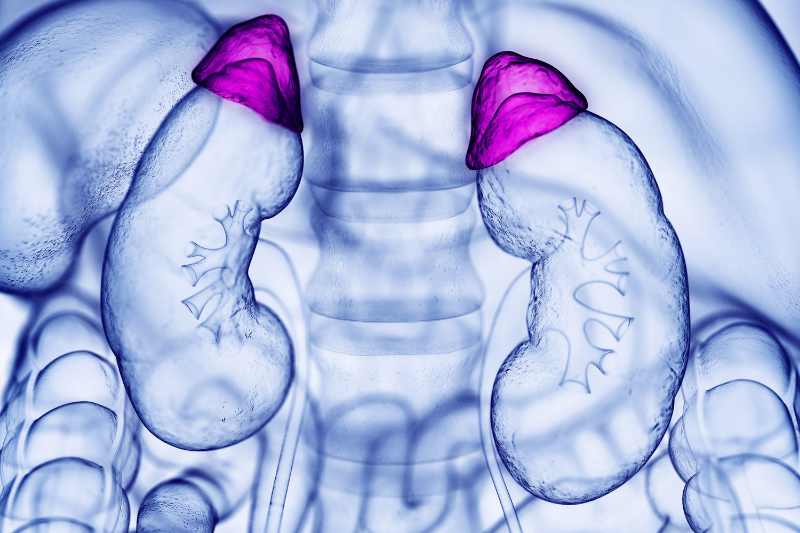
Adrenal dysfunction is a term commonly used in integrative and natural medicine to describe an imbalance in adrenal hormone function. While it is not recognized as a formal diagnosis in conventional medicine, it reflects disruption within the hypothalamic-pituitary-adrenal (HPA) axis, the system responsible for regulating the body’s stress response.
The adrenal glands produce hormones such as cortisol, DHEA, and pregnenolone, which influence energy, metabolism, immune function, and resilience to stress. When this system becomes imbalanced, it can affect multiple areas of health.
The HPA axis is a communication network between the brain and adrenal glands that helps the body respond to stress. Chronic stress, poor lifestyle habits, and underlying health issues can disrupt this system.
This disruption may involve elevated or low cortisol levels and reduced DHEA and pregnenolone. Testing such as salivary hormone panels is often used in integrative medicine to assess these patterns.
• Persistent fatigue
• Brain fog or reduced mental clarity
• Difficulty coping with stress
• Weakened immune function
• Autoimmune tendencies
• Sleep disturbances, including insomnia
• Worsening thyroid function
• Low mood or depression
• Anxiety
• Poor blood sugar control
• Asthma
• Fibromyalgia
In conventional medicine, adrenal disorders include Addison’s disease (low cortisol) and Cushing’s syndrome (excess cortisol). Integrative medicine recognizes intermediate imbalances and focuses on restoring overall balance rather than only treating severe disease states.
Restoring proper HPA axis signaling requires a comprehensive approach:
Stress Management: Counseling, meditation, prayer, or neurofeedback.
Exercise: Moderate, consistent physical activity without overtraining.
Sleep: Address insomnia or sleep apnea to improve recovery.
Nutrition: Reduce simple sugars and follow a balanced, Mediterranean-style diet.
Adaptogens:
- Ashwagandha (250–1000 mg daily)
- Rhodiola rosea (300–600 mg daily)
Key Nutrients:
- Vitamin C (1000–2000 mg daily)
- B-complex vitamins
- Magnesium (250–500 mg daily)
The main ingredients for adrenal balance can be found in my Adrenal Wellness product.
In more advanced cases, hormone support such as pregnenolone, DHEA, or cortisol may be used under medical supervision. Testing and monitoring are essential.
Adrenal dysfunction reflects imbalance in the body’s stress-response system. A comprehensive strategy including lifestyle changes, nutrition, stress management, and supplementation can support recovery and improve overall health.
You may also find the following videos interesting or helpful: https://www.youtube.com/@DrMarkStengler/search?query=adrenal


