
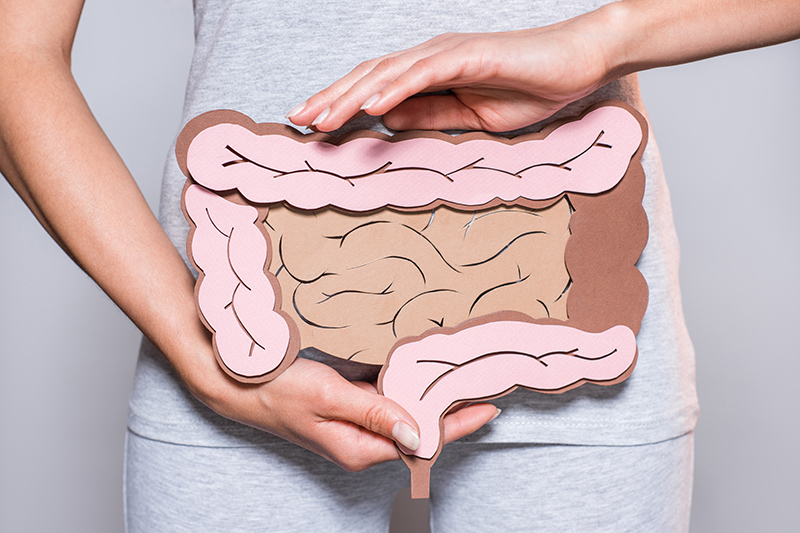
You may have heard the term “leaky gut,”but the medical term is increased intestinal permeability. Your intestinallining acts like a highly selective barrier. It allows nutrients to pass intothe bloodstream while helping keep out bacteria, toxins, and other substancesthat should stay inside the digestive tract. The cells lining the intestine areconnected by structures called tight junctions, and they are also protected bya layer of mucus. When this barrier becomes damaged or less effective, more unwantedsubstances can come into contact with the immune system. This may help explainwhy researchers are finding a connection between poor intestinal barrierfunction and autoimmune conditions.
One of the most interesting findings comesfrom research on rheumatoid arthritis. Scientists have studied people who hadcertain antibodies associated with rheumatoid arthritis even though they hadnot yet developed the disease. These individuals showed higher levels ofmarkers linked with problems in the intestinal barrier compared with healthypeople. In one group, those with higher levels of these markers were morelikely to later develop arthritis. That does not prove that leaky gut causesrheumatoid arthritis, but it does suggest that changes in the gut may beginbefore the full autoimmune disease develops. This is important because it tellsus the gut may be involved early in the autoimmune process.
Researchers are finding similar patterns inother autoimmune diseases. In lupus, higher levels of intestinal permeabilitymarkers have been associated with greater disease activity. In multiplesclerosis, researchers have found lower levels of MUC2, an important proteinthat helps form the protective mucus layer of the colon. They have also foundhigher levels of certain gut bacteria that break down this mucus layer. Inother words, the intestine may lose some of its natural protection, making iteasier for bacterial products and other substances to interact with the immunesystem. Importantly, these changes can occur even when a person does not haveobvious inflammatory bowel disease.
Type 1 diabetes also provides importantevidence of this gut-immune connection. Studies examining intestinal tissuehave found lower levels of protective mucus proteins and natural antimicrobialsubstances in people with type 1 diabetes. Researchers have also found lowerlevels of beneficial bacteria that produce compounds called short-chain fatty acids,including butyrate. Butyrate is especially important because it helps nourishthe cells lining the colon and supports a healthy intestinal barrier. At thesame time, researchers have found more inflammatory immune cells in theintestinal tissue. This creates a possible chain of events: changes in the gutmicrobiome may weaken the intestinal barrier, more bacterial products may reachthe immune system, and this may contribute to abnormal immune activity.
From an integrative medicine perspective,this research is important because it reinforces something I have emphasizedfor many years: the health of the gut can influence the health of the entirebody. This does not mean that every autoimmune disease is caused by leaky gut,and it does not mean that taking a probiotic will cure an autoimmune condition.Autoimmune diseases are complex and can involve genetics, infections,environmental exposures, hormones, stress, nutrition, and the microbiome.However, improving gut health is an important part of a broader treatmentapproach. Eating a nutrient-dense diet, getting enough fiber when tolerated,exercising regularly, sleeping well, managing stress, and avoiding unnecessaryantibiotic use can all help support the gut. It is also important to identifyproblems such as celiac disease, inflammatory bowel disease, food intolerances,or chronic intestinal infections when they are present. I wrote an entire book on the subject: TheHolistic Guide To Gut Health (Hay House Publishing). In addition, I haveseveral free articles at my Health Breakthroughs blog at markstengler.com
Bowes, M. M., Casares-Marfil, D., &Sawalha, A. H. (2024). Intestinal permeability correlates with disease activityand DNA methylation changes in lupus patients. Clinical Immunology, 262,110173. https://doi.org/10.1016/j.clim.2024.110173
Güemes-González, A. M., Arriaga-Pizano, L.A., Chacón-Salinas, R., Wong-Baeza, I., & Ferat-Osorio, E. (2026).Regulation of intestinal permeability in health and disease: Possibletherapeutic applications. Archives of Medical Research, 57(3), 103321. https://doi.org/10.1016/j.arcmed.2025.103321
Hemgren, C., Martinsson, K., Rooney, C.,Wetterö, J., Mankia, K., Emery, P., & Kastbom, A. (2024). Elevated serumlevels of zonulin family peptides in anticitrullinated proteinantibody-positive at-risk individuals without arthritis. The Journal ofRheumatology, 51(2), 134–138. https://doi.org/10.3899/jrheum.2023-0160
Lo Conte, M., Cosorich, I., Ferrarese, R.,et al. (2023). Alterations of the intestinal mucus layer correlate withdysbiosis and immune dysregulation in human type 1 diabetes. eBioMedicine,91, 104567. https://doi.org/10.1016/j.ebiom.2023.104567
Saha, K., Zhou, Y., & Turner, J. R.(2025). Tight junction regulation, intestinal permeability, and mucosalimmunity in gastrointestinal health and disease. Current Opinion inGastroenterology, 41(1), 46–53. https://doi.org/10.1097/MOG.0000000000001066
Schwerdtfeger, L. A., Montini, F., Chitnis,T., Cox, L. M., & Weiner, H. L. (2025). Faecal mucoprotein MUC2 isdecreased in multiple sclerosis and is associated with mucin degradingbacteria. eBioMedicine, 116, 105721. https://doi.org/10.1016/j.ebiom.2025.105721


