
New research links higher intake to hidden vascular brain injury in midlife
Most people think about diet in terms of weight, blood sugar, cholesterol, or heart health. But what we eat may also influence the health of the blood vessels in the brain long before symptoms appear. A 2026 study published in JAMA Network Open evaluated 8,783 Canadian adults between the ages of 35 and 69 who did not have cardiovascular disease. Researchers compared their intake of ultra-processed foods with body composition, cognitive testing, and brain MRI findings. Adults in the highest quartile of ultra-processed food intake had 40% higher adjusted odds of MRI-defined vascular brain injury compared with those in the lowest quartile.
The concerning finding is that these changes may occur without obvious warning signs. The researchers looked for covert brain infarcts and a high burden of white matter hyperintensities—MRI findings that reflect injury involving the brain’s vascular system. Yet higher ultra-processed food intake was not associated with worse performance on the cognitive tests used in the study. In other words, structural vascular changes may be detectable before a person notices problems with memory or thinking. The people consuming the most ultra-processed foods also had greater total body fat and visceral fat, suggesting that metabolic health and brain vascular health may be closely connected.
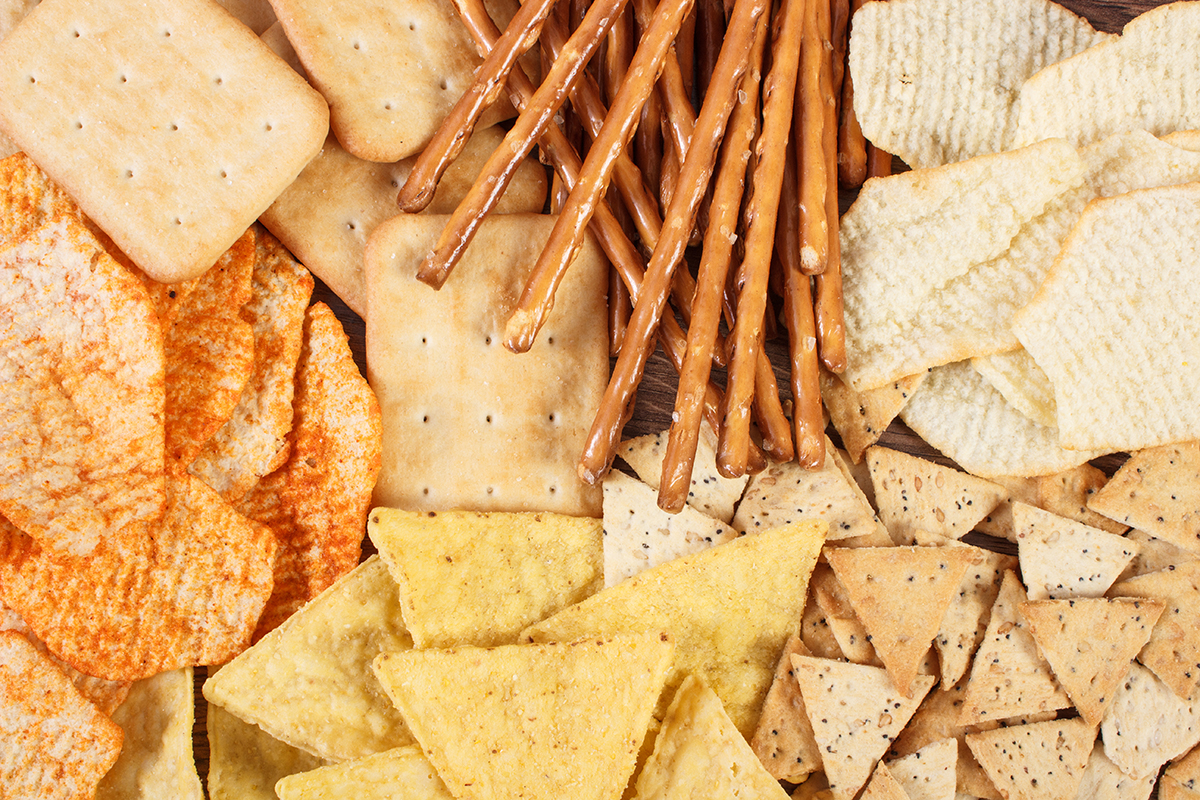
Ultra-processed foods are industrial formulations that often contain refined ingredients, added sugars, excess sodium, processed fats, flavorings, emulsifiers, colors, and other additives. Common examples include sugary drinks, packaged snack foods, many sweetened breakfast cereals, instant noodles, processed meats, and numerous ready-to-eat or frozen meals. This does not mean that every packaged food is unhealthy. The more useful goal is to make minimally processed foods—vegetables, fruits, beans, nuts and seeds, quality protein foods, and minimally processed whole grains—the foundation of the diet, while reducing foods dominated by refined ingredients and additives.
To prevent future brain problems, start making dietary changes now. Start by replacing one or two ultra-processed foods you eat regularly with whole-food alternatives: choose water or unsweetened beverages instead of soda, fruit and nuts instead of packaged sweets, and meals built around vegetables and quality protein instead of highly processed convenience foods. The key message is simple: protecting your brain may begin years before memory problems or stroke occur, and the foods you choose every day are one modifiable part of that prevention strategy.
de Souza RJ, Schulze KM, Desai D, et al. Ultraprocessed Food Intake and Adiposity, Vascular Brain Injury, and Cognition in Middle-Aged Adults. JAMA Network Open. 2026;9(10):e2639118. doi:10.1001/jamanetworkopen.2026.39118.


