


California, CA
Prostate Wellness Strategies

Prostate Wellness Strategies
Over the years, there has been a shift towards more natural, holistic strategies for supporting prostate health. Many men are seeking alternative treatments that focus on nutrition, lifestyle changes, and natural supplements rather than relying solely on pharmaceutical solutions or invasive procedures. Holistic approaches aim to reduce the risk of prostate issues, alleviate symptoms, and enhance overall health through safe, sustainable methods.
Natural strategies can include dietary modifications, herbal supplements, exercise, and stress management techniques, all of which play a role in supporting prostate function and reducing inflammation. By taking a proactive approach, men can help maintain prostate health and improve their quality of life without the need for medications or surgeries.
Understanding Prostate Health
What Is the Prostate?
The prostate is a small, walnut-sized gland located just below the bladder and in front of the rectum in men. It is an essential part of the male reproductive system, primarily responsible for producing a fluid that nourishes and transports sperm. The prostate fluid combines with sperm from the testicles to form semen.
Beyond its role in reproduction, the prostate also plays a crucial part in maintaining urinary function. It surrounds the urethra, the tube through which urine exits the body, so its health directly affects the flow and frequency of urination. As men age, the prostate can experience changes that affect both urinary and sexual function.
How Prostate Health Impacts Urinary Function, Sexual Health, and Quality of Life
- Urinary Function: The prostate’s location around the urethra means that any enlargement or inflammation of the gland can impact urinary function. Issues such as frequent urination, urgency, difficulty starting or stopping urination, or a weak urine flow can all be signs of prostate problems. In more severe cases, these symptoms can cause significant discomfort and affect daily activities.
- Sexual Health: Since the prostate contributes to semen production, its health also plays a role in sexual function. Conditions like benign prostatic hyperplasia (BPH) or prostate cancer can affect erectile function, libido, and overall sexual health.
- Quality of Life: Prostate issues can severely impact overall well-being, causing discomfort, frustration, and anxiety. For example, the inability to fully empty the bladder, frequent nighttime urination, or pain during sexual activity can all diminish quality of life. Proactive management of prostate health is essential for maintaining normal daily functioning and mental health.
Common Prostate Issues
Benign Prostatic Hyperplasia (BPH):
- BPH is a non-cancerous enlargement of the prostate gland, which typically affects men over the age of 50. As the prostate enlarges, it can put pressure on the urethra, leading to urinary problems such as:
- Frequent or urgent need to urinate, especially at night (nocturia).
- Difficulty starting urination or weak urine flow.
- Feeling of incomplete bladder emptying.
- Although BPH is not cancerous, it can significantly impact quality of life, leading to uncomfortable and sometimes debilitating symptoms.
Prostate Cancer:
- Prostate cancer is one of the most common cancers among men, particularly those over the age of 65. It often grows slowly and may not cause noticeable symptoms in its early stages. However, in advanced stages, it can cause pain, urinary difficulties, and sexual dysfunction.
- Early detection through regular screening (PSA tests, digital rectal exams) is crucial for effective treatment. Prostate cancer is treatable if caught early, but advanced stages may require more aggressive treatments, including surgery, radiation, or hormone therapy.
Prostatitis:
- Prostatitis is the inflammation of the prostate, which can be caused by bacterial infections (acute prostatitis) or non-bacterial conditions (chronic prostatitis). Symptoms may include:
- Painful or burning sensation during urination.
- Pain in the lower back, pelvis, or genital area.
- Urinary urgency and frequency.
- Painful ejaculation.
- Prostatitis can be a short-term infection or a long-term issue, depending on the cause. Treatment typically involves antibiotics for bacterial prostatitis, while chronic prostatitis may require lifestyle changes, pain management, and anti-inflammatory therapies.
Key Prostate Wellness Strategies
Nutrition for Prostate Health
A healthy diet is crucial for prostate wellness. Certain foods can reduce inflammation, improve hormone balance, and provide protective effects against prostate issues, while others should be limited to prevent negative impacts on health.
Foods to Include:
- Antioxidant-rich foods:
- Antioxidants help reduce oxidative stress and inflammation, which are often linked to prostate problems.
- Examples: Tomatoes (rich in lycopene), berries (blueberries, strawberries), and green leafy vegetables (spinach, kale). These foods protect cells from damage and reduce the risk of prostate cancer.
- Healthy fats:
- Omega-3 fatty acids, found in fatty fish like salmon, sardines, and mackerel, help balance hormones and reduce inflammation in the body.
- Plant-based fats: Avocados, nuts, and seeds provide healthy fats that are essential for maintaining hormone levels and supporting overall prostate health.
- Cruciferous vegetables:
- Vegetables like broccoli, cauliflower, and Brussels sprouts are rich in compounds that may offer protective effects against prostate cancer by promoting detoxification and reducing inflammation.
Foods to Avoid or Limit:
- Processed meats and high-fat dairy:
- Consuming excessive processed meats (e.g., sausages, bacon) and high-fat dairy products may contribute to inflammation, which is linked to an increased risk of prostate cancer. Reducing these foods can benefit prostate health.
- Refined sugars and carbohydrates:
- Diets high in refined sugars and carbs can lead to weight gain, insulin resistance, and chronic inflammation, all of which may negatively affect prostate health. Focusing on whole foods like vegetables, fruits, and whole grains is beneficial for prostate wellness.
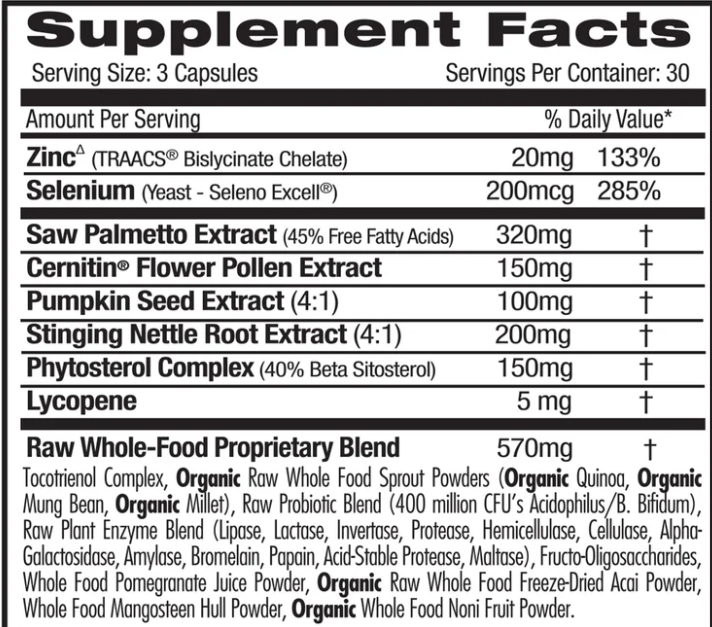
Supplements for Prostate Health
- Benefits: Saw palmetto is commonly used to manage symptoms of BPH, such as urinary frequency and difficulty urinating. It helps reduce inflammation in the prostate and supports better urinary flow.
- Usage: Available in capsule or extract form, saw palmetto can be taken daily to improve urinary symptoms.
Beta-Sitosterol:
- Benefits: This plant compound is known for its ability to improve urinary symptoms associated with BPH by reducing inflammation and improving flow.
- Sources: Beta-sitosterol can be found in supplements or in small amounts in foods like pumpkin seeds and avocados.
Vitamin D:
- Benefits: Research suggests that adequate vitamin D levels are essential for reducing the risk of prostate cancer and supporting overall prostate health.
- Sources: Sunlight is the best source of vitamin D, but supplements may be necessary during the winter months or for those who don’t get enough sun exposure.
Zinc:
- Benefits: Zinc is crucial for prostate function and may help reduce the size of an enlarged prostate. It also supports immune function, which is important for protecting against prostate infections.
- Sources: Zinc can be found in foods like shellfish, red meat, and legumes, or taken as a supplement.
Lycopene:
- Benefits: Lycopene is a powerful antioxidant found in tomatoes and other red fruits. It may help reduce prostate cancer risk and improve prostate health by protecting cells from oxidative stress.
- Sources: Lycopene is most concentrated in cooked tomatoes, making tomato-based sauces a great addition to the diet.
Lifestyle Modifications
Regular Exercise:
- Benefits: Physical activity improves circulation, reduces inflammation, and helps maintain a healthy weight, all of which contribute to better prostate health. Regular exercise also helps regulate hormone levels, particularly testosterone, which plays a role in prostate health.
- Types of Exercise: Aim for a mix of cardiovascular activities, such as walking, jogging, or swimming, and strength training exercises to maintain muscle mass and metabolism.
Stress Management:
- Benefits: Chronic stress can increase inflammation in the body, negatively affecting prostate health. Managing stress through relaxation techniques, deep breathing, and engaging in enjoyable activities can support overall health and reduce the risk of prostate issues.
- Practical Tips: Incorporate regular breaks, relaxation activities, or even hobbies that bring joy and relaxation into your routine to reduce daily stress.
Adequate Sleep:
- Benefits: Sleep is crucial for hormone regulation and immune function. Quality sleep helps the body repair and regenerate, supporting prostate health and overall well-being.
- Tips for Better Sleep: Aim for 7-9 hours of restorative sleep each night. Establish a consistent sleep schedule, limit screen time before bed, and create a calm, dark environment to optimize your sleep quality.
Take Control of Your Prostate Health
With the guidance of a trusted expert, you can start implementing these strategies today. Dr. Mark Stengler offers personalized care to help you maintain optimal prostate health, addressing your unique needs with an integrative, evidence-based approach.
Begin your journey to better prostate wellness by scheduling a consultation with Dr. Mark Stengler. Together, you can develop a personalized plan that includes nutrition, supplementation, and lifestyle strategies tailored specifically to your prostate health needs.
Contact Information:
- Location: Stengler Center for Integrative Medicine
324 Encinitas Blvd, Encinitas, CA 92024 - Phone: 760-274-2377
- Toll-Free: 855.DOC.MARK
- Website: www.markstengler.com
Don’t wait—take action today to optimize your prostate health with expert guidance from Dr. Stengler.
See Our Services
