
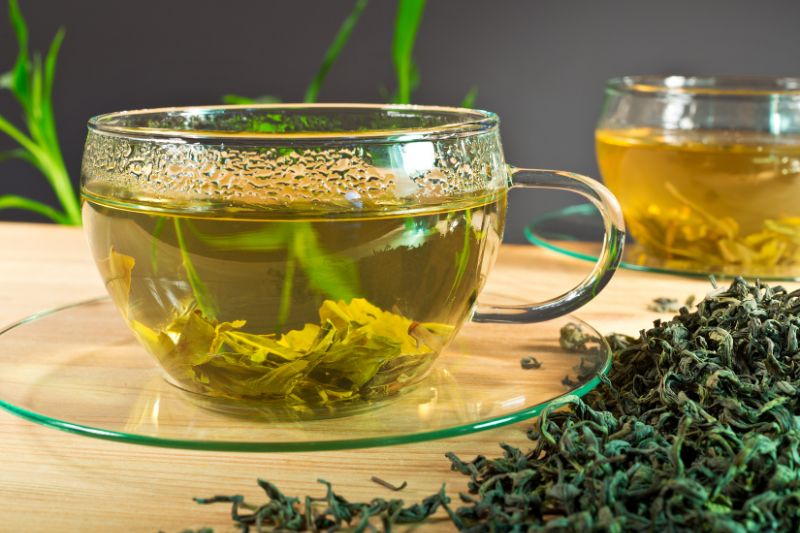
Green tea has been consumed for centuries and is often associated with good health. In recent decades, scientists have studied it closely to understand whether it may also help protect against cancer. Modern research has focused on a natural compound in green tea called epigallocatechin gallate (EGCG). A large body of laboratory, animal, and human research now shows that EGCG affects many of the biological processes involved in cancer development. While green tea is not a cure for cancer, scientific evidence explains why it may play a supportive role in cancer prevention and overall cellular health
EGCG is the most abundant and biologically active polyphenol in green tea. Researchers have identified it as the main compound responsible for green tea’s antioxidant, anti-inflammatory, and anticancer effects. EGCG interacts directly with cells, influencing how they respond to stress, inflammation, and abnormal growth signals
Cancer often begins when DNA is damaged by unstable molecules called reactive oxygen and nitrogen species, commonly known as free radicals. These molecules can cause mutations that allow cells to grow uncontrollably. Research shows that EGCG helps neutralize these free radicals, reducing oxidative stress and protecting DNA from damage. By addressing this early step in cancer development, EGCG may lower the risk of cells becoming cancerous
Healthy cells have built-in mechanisms that tell them when to stop dividing or when to self-destruct if they become damaged. Cancer cells evade these controls. Studies consistently show that EGCG can slow cancer cell growth and reactivate apoptosis, the natural process of programmed cell death. This effect has been observed across many cancer types in laboratory and animal studies, including cancers of the lung, breast, prostate, colon, liver, and pancreas
Cancer cells rely on abnormal internal signaling pathways to survive, multiply, and spread. Research shows that EGCG interferes with several major pathways known to drive cancer progression, including PI3K/Akt/mTOR, MAPK, NF-κB, and Wnt/β-catenin. These pathways are involved in cell proliferation, inflammation, resistance to therapy, and metastasis. By dampening these signals, EGCG makes the environment less favorable for cancer growth
Long-term inflammation is a recognized contributor to cancer development. EGCG has been shown to lower inflammatory markers such as TNF-α, IL-6, IL-1β, and COX-2. By reducing inflammation, EGCG may help limit tissue damage and reduce signals that encourage tumor growth and progression
For tumors to grow and spread, they must form new blood vessels and invade surrounding tissue. Research shows that EGCG can inhibit angiogenesis (new blood vessel formation) and suppress enzymes that help cancer cells break through tissue barriers. These effects are important because metastasis, not the original tumor, is responsible for most cancer-related deaths
Clinical trials using green tea extracts or EGCG in humans show that it is generally safe and well tolerated. Some studies demonstrate favorable biological effects related to cancer risk, such as changes in inflammatory markers, hormones, and growth factors. However, results vary by cancer type, dose, and formulation.
Scientific research provides strong evidence that green tea, largely through its active compound EGCG, influences many of the biological processes involved in cancer development. It helps protect DNA, reduce inflammation, slow abnormal cell growth, and interfere with cancer-promoting signals. While green tea is not a cure for cancer, evidence supports its role as a health-promoting beverage that may reduce cancer risk when consumed as part of a balanced diet and healthy lifestyle. Consider adding organic green tea to your daily beverages. I drink organic green tea and mix it with other organic teas to alter the taste, which I do not care for. For more information on dietary approaches to cancer prevention and integrative therapy see our book Outside The Box Cancer Therapies and the many articles at markstengler.com
Reference
Noman, A. M., Sultan, M. T., Mazhar, A., Baig, I., Javaid, J., Hussain, M., Imran, M., Alsagaby, S. A., Al Abdulmonem, W., Mujtaba, A., Yehuala, T. F., Ghoneim, M. M., Mostafa, E. M., & Abdelgawad, M. A. (2025). Anticancer Molecular Mechanisms of Epigallocatechin Gallate: An Updated Review on Clinical Trials. Food science & nutrition, 13(8), e70735. https://doi.org/10.1002/fsn3.70735


