
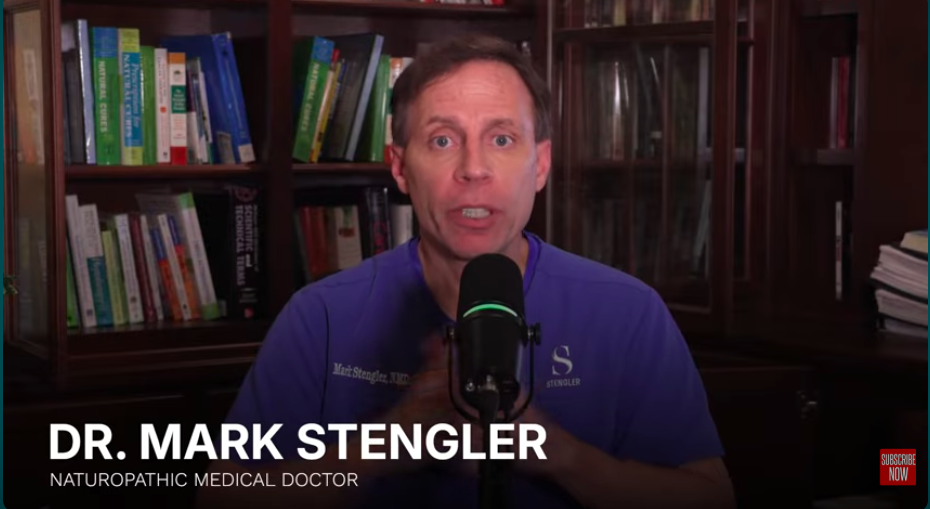

Dr. Stengler: In this video, I'm going to talk about the surprising causes of prostate enlargement, known as benign prostatic hyperplasia. This is a very common age-associated condition that involves enlargement of the prostate gland. To properly prevent and treat prostate enlargement, you have to know what the causes are, and that's what I'm going to get into in this video. Now, 50% of men between the ages of 51 and 60 have prostate enlargement, and as we age, the condition becomes more common — if you're over 70 years of age, you likely have some degree of prostate enlargement. The condition is generally more severe and aggressive in African-American men.
The symptoms common with an enlarged prostate include incomplete emptying of the bladder, so your bladder still feels full even after releasing urine; increased urinary frequency, the need to urinate often, about every hour or two in more severe cases; intermittency, the need to stop and start several times while urinating; urgency, a sensation of needing to urinate right away; a weak or feeble urinary stream; straining, the need to push or strain to start your urine flow; and nighttime urination, known as nocturia, the need to wake up at night to urinate more than two times.
There's no single cause of prostate enlargement; instead, there are several different causes, including genetic factors. However, one thing researchers can agree on is that as men age, there are hormonal changes which definitely affect prostate enlargement. So let's talk about these hormones. Testosterone — a lot of people think testosterone is the culprit, but testosterone levels decrease as men age, so that's not a good link. We don't find that prostate enlargement is common in men in their late teens and early 20s, when their testosterone levels are at their highest. As well, men who have been castrated, who no longer have testicles and have low testosterone levels, do not have issues with prostate enlargement.
Then there's the hormone metabolite dihydrotestosterone, which is a little different, because this is associated with prostate enlargement. The prostate gland contains the enzyme 5-alpha-reductase, which converts testosterone into dihydrotestosterone, also known as DHT. DHT binds to certain receptors in the prostate and stimulates growth. When we're younger, we need this, because DHT stimulates prostate growth during development, even starting in the womb in males; however, as DHT continues to stimulate prostate growth later in life, that can lead to prostate enlargement. We know that men with prostate enlargement tend to have higher concentrations of DHT, as well as higher levels of the enzyme activity of 5-alpha-reductase. There can also be genetic variations in the receptors for DHT, known as polymorphisms, which in some studies have been shown to be related to prostate enlargement.
Now let's talk about estrogen, because men have estrogen as well, and this is another hormone shown to influence prostate growth. Estrogen is a normal part of the male hormonal system, produced in fat, brain tissue, bone, and other tissues. The production of estrogen is primarily controlled by the enzyme aromatase, which converts the hormone androstenedione, made by the testicles and adrenal glands, into the estrogen known as estradiol. Aromatase also converts testosterone from fat and muscle cells into estradiol, and increased activity of aromatase seems to be a positive factor in prostate enlargement. Men tend to accumulate fat as they age, which leads to increased aromatase activity, as well as decreased testosterone but elevated estrogen levels. Age does not cause estrogen levels to decline the way it does with testosterone — as a matter of fact, the relative excess of estrogen in aging men compared to their testosterone, known as the estrogen-androgen ratio, influences the later phases of prostate enlargement and even prostate cancer. There are two types of estrogen receptors inside the prostate cells: the alpha and beta estrogen receptors. When estrogen binds to the alpha receptors, it stimulates prostate cell growth as well as prostate inflammation; the binding of estrogen to the beta receptors is oppositely anti-growth and anti-inflammatory, with the potential for anti-cancer effects.
What about the hormone progesterone? Again, often thought of as a female hormone, but it's also known to play a role in men's health. It's produced in the adrenal glands and specialized cells of the testicles known as the Leydig cells — the same cells that produce testosterone — and the prostate gland has receptors for progesterone. There are other factors that may play a role in the formation of prostate enlargement, including elevated levels of the hormone insulin, as seen with insulin resistance — things like pre-diabetes, diabetes, and metabolic syndrome — as well as insulin-like growth factors, norepinephrine, and other peptides and hormones. Other factors include men who have a high waist-to-hip ratio, obesity, and genetics. There are also several nutritional imbalances associated with prostate enlargement, such as a high intake of animal protein, saturated fat, and high cholesterol, men who consume too high of a calorie intake, men who do not consume enough omega-3 fatty acids, and vitamin D deficiency.
So these are the key risk factors for prostate enlargement. If you're using diet, exercise, and the right nutritional supplements, you can affect these root causes. I have other videos on the best supplements to use for prostate enlargement, as well as articles on my website at markstengler.com, and videos on how you can best treat prostate enlargement. So subscribe to my YouTube channel if you haven't done so already, hit the like button, and it's been great to be with you.
Beyond Testosterone: The Real Reasons Your Prostate is Growing
If you are over 50, there is a 50% chance you are already dealing with the frustrating symptoms of an enlarged prostate. Whether it’s waking up multiple times at night or a weakening urinary stream, BPH can significantly impact your quality of life.
But what is actually causing the growth? In this video, Dr. Stengler moves beyond the surface to explain the complex hormonal shift that happens as men age.
What you’ll learn in this deep dive:
CHAPTERS
00:00 Introduction to Prostate Enlargement
00:21 Prevalence and Common Symptoms
01:16 Hormonal Changes and Aging
01:31 Testosterone and Prostate Growth
01:55 DHT and 5-Alpha Reductase
03:05 Estrogen and Aromatase Activity
04:25 Progesterone and Other Hormonal Factors
04:44 Insulin, Obesity, and Metabolic Risks
05:05 Dietary and Nutritional Risk Factors
05:26 Lifestyle and Nutritional Support Strategies
Please visit my website for more information: http://drstengler.com/
🔔Subscribe: / @drmarkstengler
🔗 Stay Connected:
Facebook: / markstengler Instagram: / markstengler Website: http://drstengler.com/


