
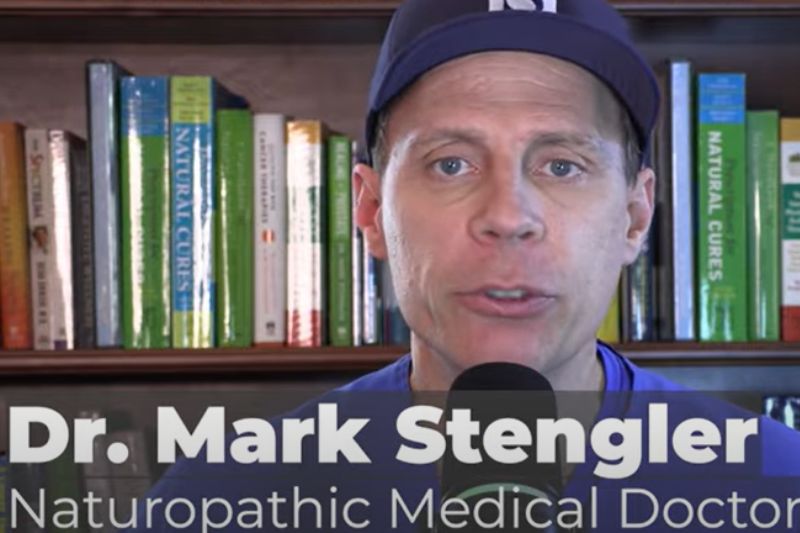

Dr. Stengler: Do you suffer from indigestion, bloating, or constipation? Perhaps poor memory and concentration, skin rashes, mildly elevated liver enzymes on your tests, insomnia, or symptoms you just can't explain? All of this could be due to a sluggish liver. In this video, I'm going to cover what a sluggish liver is, what's going on metabolically in easy-to-understand terms, and what you can do to revitalize your liver health.
I'm Dr. Mark Stengler. For 30 years I've been helping patients with nutritional and naturopathic medicine, including many who have chronic health problems due to a sluggish liver. When we use the term "sluggish liver," we're not referring to a diseased liver like hepatitis or severe liver disease — we're referring to suboptimal liver function that affects virtually every other system in the body.
Let me go over the main functions of your liver, some of which may surprise you.
First, metabolism. Your liver is involved in carbohydrate metabolism — it regulates blood sugar balance and stores glucose as glycogen for times when you need extra energy. It's also involved in fat metabolism, breaking down fats to produce energy and make cholesterol and lipoproteins. And it helps with protein metabolism. So overall, the liver is central to how your body uses food and produces energy.
Second, detoxification. This is probably what you're most familiar with. Your liver is very sophisticated in its ability to break down toxins — chemicals from the environment, food, water, air, and skin absorption. It also neutralizes these chemicals through bile. The liver produces bile, which is involved in fat metabolism and carries toxins out of the liver and through the digestive tract. If you've been under high stress or taking medications such as pain relievers or antidepressants, that can tax the liver, slow its detoxification pathways, and reduce bile flow — leading to problems with fat digestion, constipation, and poor toxin elimination.
The liver also stores fat-soluble nutrients such as vitamins A, D, K, and E, as well as iron and copper. It produces important blood proteins like albumin, which helps maintain blood pressure, and clotting factors. It's part of your immune system through specialized cells called Kupffer cells, which destroy pathogens and old red blood cells. And finally, the liver is deeply involved in hormone and enzyme regulation. All the hormones in your body circulate through the liver. If liver metabolism is sluggish, it contributes to hormone imbalance — for example, in women this can manifest as PMS due to poor estrogen metabolism, and in men it can lead to elevated dihydrotestosterone, which can aggravate the prostate.
Once your doctor has confirmed you don't have actual liver disease and it's simply a matter of fine-tuning liver function, here are seven steps to revitalize it.
Step one: reduce your toxic environment. Use natural cleaning agents at home — don't underestimate how chemical cleaners can tax your liver's detoxification pathways. Avoid pesticides and insecticides in the yard, and address any mold exposure in your home, as that can also burden the liver over time.
Step two: eat foods specific to liver detoxification. The number one group is cruciferous vegetables — broccoli, cauliflower, Brussels sprouts, bok choy, and cabbage. Aim for a serving three to four days a week. These are high in antioxidants and glutathione, one of the primary antioxidants the liver uses for detoxification. Also aim for at least 8 ounces of fresh vegetable juice a day — 85% vegetable, not a 50/50 fruit-vegetable mix, since fructose has been shown in studies to contribute to fatty liver. Have at least one fresh salad daily with dark leafy greens like romaine lettuce, and add carrots, which contain carotenoids that support liver detoxification. Incorporate artichoke, garlic, and onions into your diet as much as possible — artichoke in particular promotes bile production and flow. And get quality protein, primarily from plant sources, with cold-water fish like wild salmon and sardines two to four times a week for their omega-3 fatty acids.
Step three: take liver-specific herbs. My favorites are milk thistle, dandelion, and artichoke. I typically use these in combination formulas — in capsule form, tea, or tincture — taken with two to three meals a day for at least two weeks. This gets bile production going and helps the liver clear toxins effectively.
Step four: take a high-potency multivitamin. The liver's detoxification pathways require many nutrients — magnesium, potassium, zinc, copper, selenium, and many vitamins and minerals. A good multivitamin gives you a solid nutritional base beyond dietary improvements.
Step five: take supplemental glutathione. Glutathione is a major antioxidant in the body and highly specific to the liver. It assists the liver in clearing toxins, particularly environmental chemicals and pharmaceutical drugs.
Step six: exercise regularly and consider sauna. Aim for 30 to 60 minutes of exercise per day to improve blood flow through the liver and promote sweating. If possible, add sauna therapy one to two times a week to accelerate blood flow through the liver and support the detoxification process.
Step seven: prioritize adequate sleep. Studies show the body detoxifies more efficiently with adequate sleep — most people need seven to eight hours. This matters not just for the liver, but also for the brain. We now know the brain has its own detoxification system — the glymphatic system — that carries toxins out of the brain during sleep.
So in this video we covered the signs and symptoms of a sluggish liver, all the important metabolic functions your liver performs, and the key foods, nutrients, and lifestyle steps that improve liver detoxification. If you found this helpful, visit my YouTube channel for more videos on a variety of health topics.
Feeling tired, bloated, or dealing with skin issues and brain fog? Your liver might be the missing link. In this video, Dr. Mark breaks down the signs of a sluggish liver and reveals 7 practical steps to reboot your liver naturally. Discover the foods, herbs, and lifestyle changes that can transform your liver function and overall health. Don’t wait for blood tests to tell you something’s off—take charge now. Watch until the end for simple, effective detox tips you can start today.


